
An Exclusive Interview with Ras Mo
[Adapted] from Tropical Star | Wednesday, November 14, 2001 | Page 18
Born on the southeastern village of Delices on Dominica’s rugged Atlantic coast, the proud son of the soil has from humble beginnings distinguished himself as a ‘performance poet’ extraordinaire and cultural activist. Ras Mo has dedicated his life to the service of mankind through his relentless offerings – a vast repertoire of cultural forms and expressions. Ras Mo, who currently resides in California, was in Dominica for its 23rd Independence observances.
At a special night of poetry in honour of the memory of Eddie Toulon hosted by the Dominica Writers Guild, in collaboration with the Anchorage Hotel on the night of Tuesday, October 30th,2001, we took the opportunity to speak with the artist, Ras Mo who was there with visiting Saxophone player, Quanti Bomani and Estrella Group, had just come from conducting a workshop in the Carib Territory.
Williams: Ras Mo, how does it feel to be back in Dominica this time around.
Ras Mo: It feels really good to be in Dominica, my native land. I feel relaxed and a sense of pride in the achievements of the World Creole Music Festival. Presently I am accompanied by some of my drum students from California and being able to share a culture so vivid and unique is rewarding. The opportunity to be part of such a great event is also an exalting experience. Having seen some of the greatest music festivals in other parts of the world. I believe that the W.C.M.F is in the top of the line. My hope is that we don’t lose it because others will grab it. Respect due to Eddie Toulon and the new coordinator, Mr Piper and Crew.
Williams: Without doubt, you are one of those persons who has done considerable work for your country. How did it all begin?
Ras Mo: It started with my involvement in the student movement; particularly in various youth and cultural groups. The inspiration mainly came from my mother who taught me the art of writing and home-schooled me for many years. She was an organiser and organised the Social League of Catholic Women among other organisations in Delices. Being in such an environment and growing up with women taking notes of meetings and planning sessions inspired me to want to organise. So at school, I was involved in newspapers and debating clubs, the Duke of Edinburgh Award Scheme and before the Boy Scouts.
Williams: You had a hand in the pioneering of a number of cultural and Black organisations. Some of which are still in operation to date. Could you talk a little bit more about those days, then I want to bring us up to date on what Ras Mo is doing these days.
Ras Mo: I coordinated the African Liberation Day activities here for many years and helped organise many cultural events and political rallies. I was a member of The National Youth Council Committee, which later became The Movement for Cultural Awareness (MCA), of which I was the coordinator. Through the MCA, I worked with The Eastern Caribbean Popular Theatre Organisation (ECPTO) conducting training of trainers workshops. There I taught youth workers, community organisers and activists to use performing arts and visual arts for community education programmes and discussion of relevant issues of health, marketing, the economy, organisational development and women’s issues and many more.
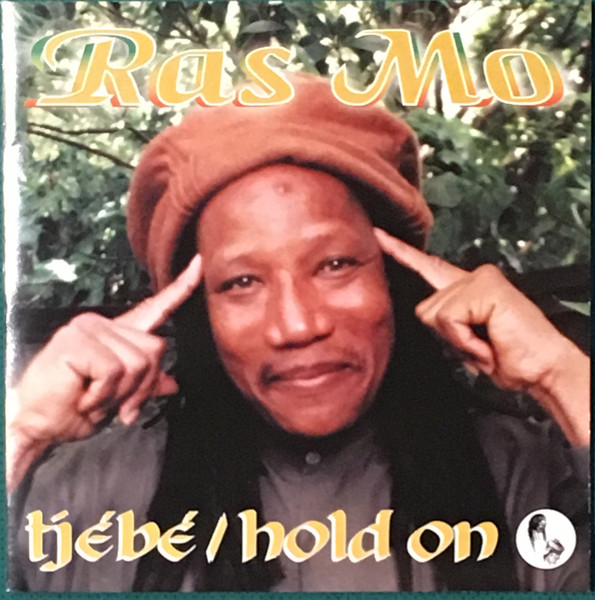
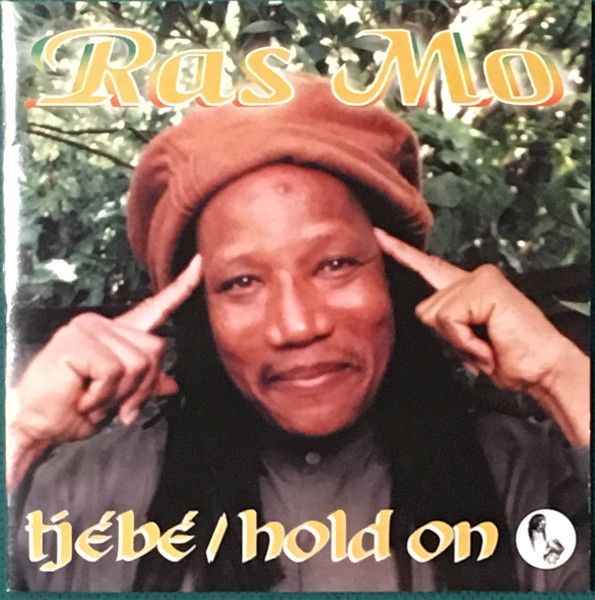
Williams: In 1982, you published Cross Roads, Melting Pot in 1990 and the Mask in 1995, and several audio recordings including your CD Tjebe /Hold on which you recorded in 1998. Your appreciation for traditional and contemporary art forms is very deep. Can you explain why this is?
Ras Mo: The work song in the cassava fields in Delices are my fondest memories of song that combined with Bèlè. People singing as they hauled logs for building or dug out canoes from the mountain made an impression on me that today sustains my work. You can take me out of Dominica but you take Dominica out of me. I believe that culture evolves and I’m happy to be a part of that evolution through my contemporary work. There is also a commercial and business aspect that I am aware of.
Williams: What episodes through your life would you consider as having major influences on your chosen path of thinking?
Ras Mo: I must respect growing up in a cultural environment in an isolated village, and also opportunity to publish short stories in the Star Newspaper at the age of 13 thanks to Phyllis Allfrey. Also participation in People’s Action Theatre, living on a Rastafarian commune at Terre Ferme and reading Castro, Mark and the Bible.
Williams: When and why did you decide to set up shop in the States after doing so much work in the region in general?
Ras Mo: Changes in Eastern Europe affected funding to NGOs in the Caribbean region and so with no funds, no work. Also, being a big fish in a small pond feels good. But I felt limited. I needed work. I need to grow and get new skills. The stuff that I’d learned from Jamaica School of Drama and work in several Caribbean countries was great, but I needed to explore other possibilities; learn more and also access new technology, marketing and opportunities, I needed to create space for the younger artistes and organisers and find ways to support them.
Williams: You’re here this time around with members of the Estrella Group and Quanti Bomani. Could you introduce them to your readers and tell us a little about the good work that you’re doing in California.
Ras Mo: Estrella is a group born out of a three-year, residency that I had at La Pena Cultural Centre in Berkeley. This was sponsored by the California Arts Council. Quanti Bomani is originally from New York. I toured together with him with a dance group and we now work together. He is an accomplished saxophone player. Sax and poetry make a great blend. I also do training of the trainers workshops for youth and violence prevention workers. I teach Caribbean Music at a university in Berkeley, California.

 ALBERT WILLIAMS Reporting
You must be logged in to post a comment.