
A case for academia
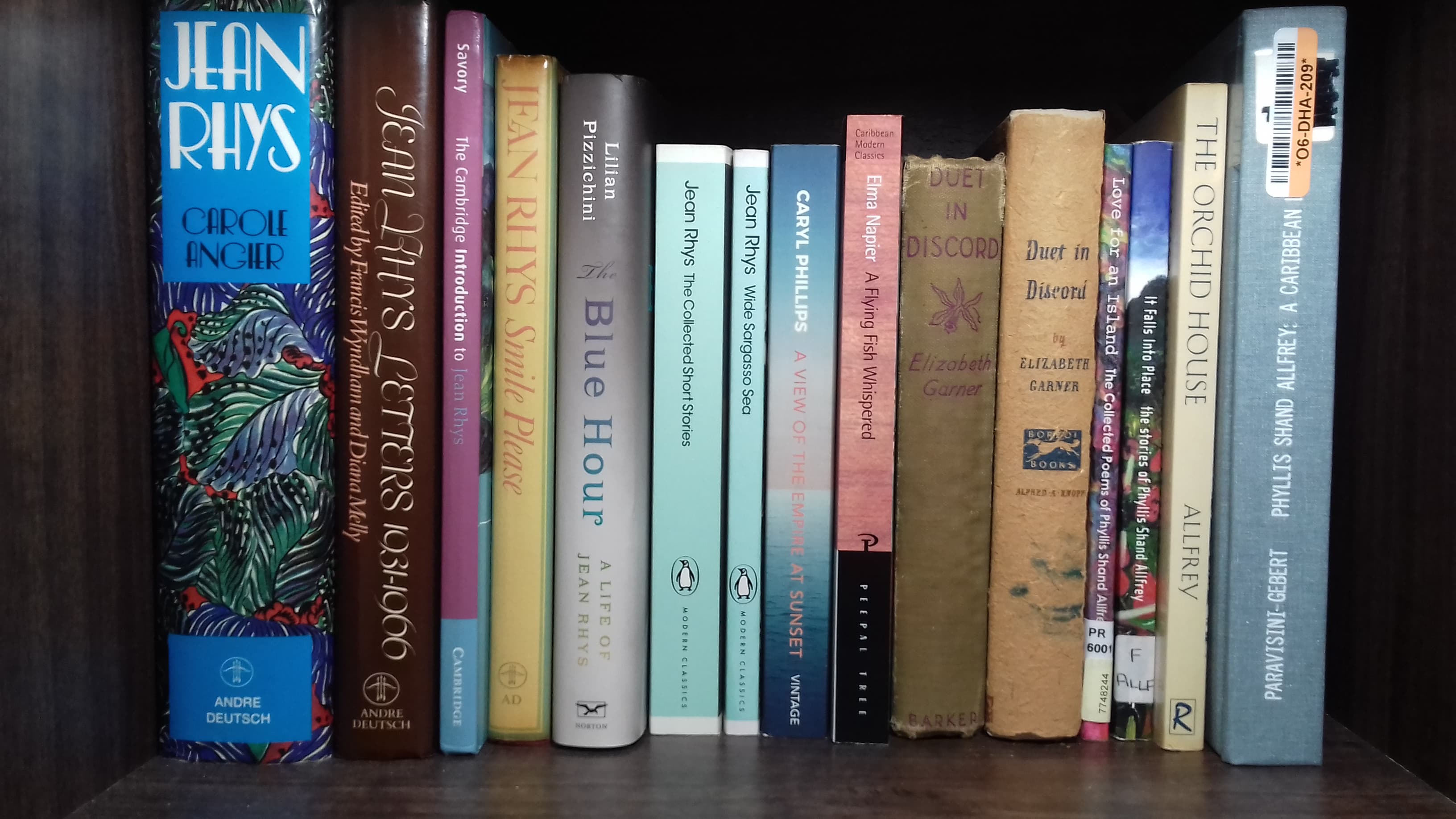
eading Napier, Rhys and Allfrey makes one fall in love with reading books again. Especially those that are set in Dominica. A very old-school technology that is sit still with us. As we come to the close of this survey of short survey of these the literary contribution of these three white Dominican, postcolonial, female, writers Elma Napier, Jean rhys and Phyllis Shand Allfrey what lessons have we learned. For one thing, the art of the craft of autobiographical writing is a genre that these three writers have demonstrated that they could do very well. Particularly, in the case of Napier and Rhys, and more so the former. Usually, in modern times, a well-known person would publish just one autobiography, though several official and unofficial biographies could surface.
I see no reason why the writings of Napier, Rhys and Allfrey are not the basis for a module of study throughout the educational system, from high school to university. I think that there is much to be gained from deep study of their works. Moreover, course-work in this field would foster an appreciation for, not only postcolonial literature, but provide an example of how to incorporate your lived experience of ‘what you know’ into the creative medium.
Further, I see no reason why every 5 years or so, that there is not released a historical drama based on Dominica. I am thinking of writing a screenplay or a novel or both, on the Dominica invasion by the British in 1761 or Battle of the Saintes. Just two examples of potential big screen productions.
In closing, my findings are that Dominica has much to be explored by unearthing these forgotten writers. From a ‘creatives perspective’ the possibilities to explore are endless. The fact that the Afro-Dominican experience is, as you know, is scanty at best, then this is an opening to grab the creative license to create the narrative.
Moreover, the body of work that Allfrey, Napier, and Rhys have left behind are important historical records. Sources not only of their own colonial experience but also provide a glimpse into the plight people of colour with who they shared the island of Dominica. I am excited about the possibilities of a new layer of anthropological research this presents. Since very little record of the description of the descendants of the enslaved or the slaves themselves: How they lived on the plantation; what they ate; what they wore; marriage and family. We catch glimpses of this in their works.
Another point worth mentioning, is that the craft of memoir writing is exemplified in the works of Allfrey, Napier and Rhys. This needs to be further researched and experimented upon. Who else is responsible for doing that but the Afro-Dominicans themselves.
Allfrey, Napier, and Rhys therefore, could only write from their own perspectives. From their own local knowledge. Who knows, maybe there is an Elma Napier or Jean Rhys or Phyllis Shand Allfrey waiting inside us yearning to be emancipated. Maybe there could be a combination of all three. The possibilities, I repeat are endless.
However, the future of the legacy of Allfrey, Napier, and Rhys in Dominica remains to be seen. Dominica finds itself between a wall and a hard place. In the era of Black lives matter which has seen the memory of slave traders and slave owners face retribution: statues being torn down all over the world. You may have heard that the insurance agency Lloyd’s of London and Greene King other institutions have also come forward with offers of reparations of a sort for their role in the slave trade. The question is: will Dominica shun, Alfred Napier and Rhys, or will they embrace the literature they have left behind? Only Time will tell.
(TO BE CONTINUED)

 ALBERT WILLIAMS Reporting
Reblogged this on UK-CARIBBEAN.
LikeLike